- pressure cooker | Serious Eats
- 5 Reasons Why a Pressure Cooker May Be Better Than a Slow Cooker | The Kitchn
- Instant Pot Lux60 6-in-1 Programmable Electric Pressure Cooker with Stainless Steel Cooking Pot, 6 Litre: Amazon.co.uk: Kitchen & Home
- 5 Excellent Pressure Cooking Resources | The Kitchn
- Electric Pressure Cooker, Smart Cooker, Multi Cooker, 快煲电压力锅

Read the book and then get cooking. Food. Recipe.
Showing posts with label kitchen with. Show all posts
Showing posts with label kitchen with. Show all posts
Tuesday, 9 August 2016


Sunday, 31 July 2016
KitchenAid Food Grinder and Fruit/Vegetable Strainer.
Review and Uses for the KitchenAid Food Grinder and Fruit/Vegetable Strainer
Best uses:
The sieve/grinder is perfect for making applesauce.
- Applesauce: How to make homemade applesauce, easily! (with simple directions, recipe, and with photos for each step)
Another example to success is tomatoes.
Worst uses
It's dreadful for thick substances in which the seeds (or other undesirable parts) do not easily separate from the pulp.
An example of this is blackberries.
The amount of wasted pulp is surreal: most of the blackberry passes out the end as waste.
Raspberries are also a challenge for it, too.
The seeds are small enough to pass through the sieve's holes and worse yet, they adhere so tightly to the fruit that most of the raspberry simply passes out the end.

Best uses:
The sieve/grinder is perfect for making applesauce.
- Applesauce: How to make homemade applesauce, easily! (with simple directions, recipe, and with photos for each step)
Another example to success is tomatoes.
Worst uses
It's dreadful for thick substances in which the seeds (or other undesirable parts) do not easily separate from the pulp.
An example of this is blackberries.
The amount of wasted pulp is surreal: most of the blackberry passes out the end as waste.
Raspberries are also a challenge for it, too.
The seeds are small enough to pass through the sieve's holes and worse yet, they adhere so tightly to the fruit that most of the raspberry simply passes out the end.
Wednesday, 25 May 2016
Kitchen essentials, gadgets and pantry.
...commonly used in an Italian kitchen.
For drinking:
Moka Pot Brewing Guide - How to Make Moka Pot Coffee
Moka pot.

Duralex glasses.

For the stovetop:
Pasta pan, taller-than-wide 6-litre!
- the litre of water for every 100g of pasta rule.
A wide sauté or frying pan with a long handle.
Deep copper sauté pan.
A heavy casserole, which I call my peperonata pan.
For draining:
- colander with feet
- long tongs
- big slotted spoon
For smoothing:
A food mill (also called passatutto, purée sieve, moulinette, mouli légumes, or passe-vite) is a food preparation utensil for mashing and sieving soft foods.
It purees tomatoes, pulses, fruit, fish and other ingredients, separating the skin and tough bits: the wanted from the unwanted.
- The Minimalist - A No-Frills Kitchen Still Cooks - NYTimes.com: In fact, I contend that with a bit of savvy, patience and a willingness to forgo steel-handle knives, copper pots and other extravagant items, $200 can equip a basic kitchen that will be adequate for just about any task, and $300 can equip one quite well.
- How to Build a Baking Pantry, Part I: Ingredients (Beginner) | Brown Eyed Baker:
- Search Results | Brown Eyed Baker:
For drinking:
Moka Pot Brewing Guide - How to Make Moka Pot Coffee
Moka pot.

Duralex glasses.

For the stovetop:
Pasta pan, taller-than-wide 6-litre!
- the litre of water for every 100g of pasta rule.
A wide sauté or frying pan with a long handle.
Deep copper sauté pan.
A heavy casserole, which I call my peperonata pan.
For draining:
- colander with feet
- long tongs
- big slotted spoon
For smoothing:
A food mill (also called passatutto, purée sieve, moulinette, mouli légumes, or passe-vite) is a food preparation utensil for mashing and sieving soft foods.
It purees tomatoes, pulses, fruit, fish and other ingredients, separating the skin and tough bits: the wanted from the unwanted.
- The Minimalist - A No-Frills Kitchen Still Cooks - NYTimes.com: In fact, I contend that with a bit of savvy, patience and a willingness to forgo steel-handle knives, copper pots and other extravagant items, $200 can equip a basic kitchen that will be adequate for just about any task, and $300 can equip one quite well.
- How to Build a Baking Pantry, Part I: Ingredients (Beginner) | Brown Eyed Baker:
- Search Results | Brown Eyed Baker:
Tuesday, 13 October 2015
Nutribullet and its rivals tested.
Ready steady, shake: Nutribullet and its rivals tested | Life and style | The Guardian
5 Nutribullet £79.99, lakeland.co.uk

First impressions: It shouts at me: “STOP THROWING DISEASE-FIGHTING NUTRITION DOWN THE DRAIN!” It looks like the Gherkin. It’s weighty and solid, with a lovely texture, as if it’s clad in vanillin crystals. The blades are far bigger than any other so far, which is only fitting because this is “the all new, revolutionary Extractor Blade”. It comes with a spare 500ml cup and a 680ml. The “life coach”-style user guide and recipe book feature so many jubilant couples I wonder if there’s some sort of tie-in to Match.com. It includes 20 pages where you can write about your “journey”.
Green juice: I can drink this! We can all drink this. Apart from the very occasional giveaway speck of cucumber skin, this could be an avocado smoothie. It has a slight texture, but it is uniform and very fine.
Protein shake: On the eye – all berry skin traces are gone – and to taste, it’s the smoothest yet. This could have been sieved.
Who is this for? Everyone, clearly.
5/5
5 Nutribullet £79.99, lakeland.co.uk

First impressions: It shouts at me: “STOP THROWING DISEASE-FIGHTING NUTRITION DOWN THE DRAIN!” It looks like the Gherkin. It’s weighty and solid, with a lovely texture, as if it’s clad in vanillin crystals. The blades are far bigger than any other so far, which is only fitting because this is “the all new, revolutionary Extractor Blade”. It comes with a spare 500ml cup and a 680ml. The “life coach”-style user guide and recipe book feature so many jubilant couples I wonder if there’s some sort of tie-in to Match.com. It includes 20 pages where you can write about your “journey”.
Green juice: I can drink this! We can all drink this. Apart from the very occasional giveaway speck of cucumber skin, this could be an avocado smoothie. It has a slight texture, but it is uniform and very fine.
Protein shake: On the eye – all berry skin traces are gone – and to taste, it’s the smoothest yet. This could have been sieved.
Who is this for? Everyone, clearly.
5/5
Wednesday, 19 August 2015
Pantry.
Pantry Primer | Williams-Sonoma Taste
VINEGARS
Vinegars add acidic balance to foods, especially vinaigrettes and sauces, but can also be used to brighten flavors in soups and to season rice.
Everyday: Red wine, balsamic, white wine, sherry, apple cider, rice.
Specialty: White balsamic, fruit-flavored, infused, malt.
Store: In a dark, cool, dry place. Avoid direct sunlight or heat.
Replace: Vinegar keeps indefinitely.
OILS
The well-stocked pantry contains a variety of oils for different functions. Olive oil is great for sauces, browning and sautéing; grapeseed or corn oil is good for deep frying; canola or vegetable oil is used in baked goods. Use specialty oils like premium extra-virgin and nut oils when you want to taste the flavor of the oil, in a vinaigrette or over vegetables.
Everyday: Extra-virgin olive oil for salads and a neutral oils for cooking like grapeseed, canola and corn.
Specialty: Infused oils, sesame oil for Asian dishes, milder olive oil for cooking, nut oils like walnut or hazelnut.
Store: Store unopened bottles of oil at room temperature in a cool, dark place. Don’t keep your bottles of oil by the stove; heat will turn the flavor rancid.
Replace: Oils will keep for up to 1 year, but their flavor diminishes over time. Smell or taste oils to make sure they are still good. Store opened bottles for 3 months at room temperature.
BEANS, LEGUMES & GRAINS
With these pantry staples on hand, healthy weeknight dinners (and lunches) like pastas, soups, salads, and stews can be made quickly and easily.
Everyday: Pasta (strands like spaghetti and smaller shapes like penne), long-grain and short grain white rice, brown rice, dried black beans, dried navy beans, dried lentils, rice noodles, cornmeal, breadcrumbs.
Specialty: Flavored pastas like spinach, wild rice, sushi rice, dried heirloom beans, split peas, couscous, additional whole grains like quinoa, farro or spelt, dried noodles like soba and lo mein.
Store: Store dried beans and grains in airtight containers. Once you open packages of pasta or grains, transfer the remainders into airtight containers.
Replace: Dried beans and grains can be stored for up to 3 months. Beyond that, they will toughen, take longer to cook and lose their flavor. Although the shelf life of most dried pastas is 1 year, they too will lose their flavor after a few months.
FLOURS & BAKING GOODS
With the right ingredients on hand, bread, pizza dough, cookies, muffins, cakes and more can be mixed up easily. Stock your pantry according to how much you bake; if it’s only occasionally, stick to the everyday essentials.
Everyday: White and whole-wheat flours, white and brown sugar, baking soda, baking powder, cornmeal, cornstarch, yeast.
Specialty: Cake flour, bread flour, rye flour, powdered sugar, decorative sugars, shortening, molasses, chocolate chips.
Store: Store flours and sugars in airtight containers. Baking powder, cornstarch and less-frequently used items can stay in their original packaging.
Replace: Whole wheat flour has a shorter shelf life than white flour and can go rancid quickly; to extend its shelf life, you can store it in the freezer for up to 6 months. White flours can be stored in the pantry for up to 8 months.
DRIED HERBS, SPICES & FLAVORINGS
Essential to bringing out the best flavor of food. Make sure to buy in smaller quantities and replace often for maximum freshness.
Everyday: Kosher salt, black pepper, herbs like basil, dill, tarragon, rosemary, parsley, oregano, thyme, sage and bay leaves, spices like cinnamon, cumin, allspice, paprika, chili powder, cayenne pepper, curry, vanilla extract, honey, maple syrup.
Specialty: Smoked paprika, additional salts like sea salt and Maldon salt, whole black peppercorns, dried red peppers, dried chiles, kaffir lime leaves, turmeric, cardamom, saffron, whole nutmeg, vanilla beans, almond extract.
Store: In a cool, dark place in airtight containers. Don’t leave spices near a heat source, it will diminish their flavors.
Replace: Dried herbs and spices start losing flavor after about 6 months, so buy in small quantities and replace often.
CONDIMENTS & SAUCES
Delicious salsas and sauces help bring add new flavors to meats and vegetables.
Everyday: Dijon mustard, ketchup, steak sauce, Worcestershire sauce, hot sauce, soy sauce, mayonnaise, salsa.
Specialty: Fish sauce, hoisin sauce, varieties of hot sauce like sriracha, black bean sauce, barbecue sauce.
Store: Unopened in a cool, dark place. Once sauces have been opened, store in the refrigerator.
Replace: Most condiments last for up to 1 year in the refrigerator.
PRESERVES & CANNED GOODS
Pasta sauces, soups, sandwiches and salads can come together in a flash with the right assortment of canned goods. Cured or brined goods like capers and olives are great flavor boosters.
Everyday: Canned tomatoes, canned beans, canned tuna, canned (or packaged) chicken and vegetable stocks, olives, jams, tomato paste.
Specialty: Canned chipotles and other chiles, olive paste (tapenade), capers, anchovies, sun-dried tomatoes.
Store: Unopened canned and jarred goods can be kept in a cool, dark place. Once opened, transfer unused foods into airtight containers and store in the refrigerator.
Replace: Unopened foods canned foods can keep indefinitely in the pantry; throw away any canned good that starts buckling. Use canned or jarred goods within a few days once they have been transferred to the fridge.
DRIED FRUITS, NUTS & SEEDS
Fruits and nuts make excellent snacks and also add texture and flavor to salads, couscous and rice.
Everyday: Raisins, almonds (whole or slivered), walnuts, peanuts, apricots, pecans.
Specialty: Currants, pine nuts, flax seeds, sunflower seeds, dates, cashews, pistachios, cherries.
Store: Once their packaging is opened, store all fruits, nuts and seeds in airtight containers.
Replace: Dried fruits and seeds have a long shelf life of up to a year; shelled nuts lose their freshness sooner, so store in the pantry up to 4 months.
VINEGARS
Vinegars add acidic balance to foods, especially vinaigrettes and sauces, but can also be used to brighten flavors in soups and to season rice.
Everyday: Red wine, balsamic, white wine, sherry, apple cider, rice.
Specialty: White balsamic, fruit-flavored, infused, malt.
Store: In a dark, cool, dry place. Avoid direct sunlight or heat.
Replace: Vinegar keeps indefinitely.
OILS
The well-stocked pantry contains a variety of oils for different functions. Olive oil is great for sauces, browning and sautéing; grapeseed or corn oil is good for deep frying; canola or vegetable oil is used in baked goods. Use specialty oils like premium extra-virgin and nut oils when you want to taste the flavor of the oil, in a vinaigrette or over vegetables.
Everyday: Extra-virgin olive oil for salads and a neutral oils for cooking like grapeseed, canola and corn.
Specialty: Infused oils, sesame oil for Asian dishes, milder olive oil for cooking, nut oils like walnut or hazelnut.
Store: Store unopened bottles of oil at room temperature in a cool, dark place. Don’t keep your bottles of oil by the stove; heat will turn the flavor rancid.
Replace: Oils will keep for up to 1 year, but their flavor diminishes over time. Smell or taste oils to make sure they are still good. Store opened bottles for 3 months at room temperature.
BEANS, LEGUMES & GRAINS
With these pantry staples on hand, healthy weeknight dinners (and lunches) like pastas, soups, salads, and stews can be made quickly and easily.
Everyday: Pasta (strands like spaghetti and smaller shapes like penne), long-grain and short grain white rice, brown rice, dried black beans, dried navy beans, dried lentils, rice noodles, cornmeal, breadcrumbs.
Specialty: Flavored pastas like spinach, wild rice, sushi rice, dried heirloom beans, split peas, couscous, additional whole grains like quinoa, farro or spelt, dried noodles like soba and lo mein.
Store: Store dried beans and grains in airtight containers. Once you open packages of pasta or grains, transfer the remainders into airtight containers.
Replace: Dried beans and grains can be stored for up to 3 months. Beyond that, they will toughen, take longer to cook and lose their flavor. Although the shelf life of most dried pastas is 1 year, they too will lose their flavor after a few months.
FLOURS & BAKING GOODS
With the right ingredients on hand, bread, pizza dough, cookies, muffins, cakes and more can be mixed up easily. Stock your pantry according to how much you bake; if it’s only occasionally, stick to the everyday essentials.
Everyday: White and whole-wheat flours, white and brown sugar, baking soda, baking powder, cornmeal, cornstarch, yeast.
Specialty: Cake flour, bread flour, rye flour, powdered sugar, decorative sugars, shortening, molasses, chocolate chips.
Store: Store flours and sugars in airtight containers. Baking powder, cornstarch and less-frequently used items can stay in their original packaging.
Replace: Whole wheat flour has a shorter shelf life than white flour and can go rancid quickly; to extend its shelf life, you can store it in the freezer for up to 6 months. White flours can be stored in the pantry for up to 8 months.
DRIED HERBS, SPICES & FLAVORINGS
Essential to bringing out the best flavor of food. Make sure to buy in smaller quantities and replace often for maximum freshness.
Everyday: Kosher salt, black pepper, herbs like basil, dill, tarragon, rosemary, parsley, oregano, thyme, sage and bay leaves, spices like cinnamon, cumin, allspice, paprika, chili powder, cayenne pepper, curry, vanilla extract, honey, maple syrup.
Specialty: Smoked paprika, additional salts like sea salt and Maldon salt, whole black peppercorns, dried red peppers, dried chiles, kaffir lime leaves, turmeric, cardamom, saffron, whole nutmeg, vanilla beans, almond extract.
Store: In a cool, dark place in airtight containers. Don’t leave spices near a heat source, it will diminish their flavors.
Replace: Dried herbs and spices start losing flavor after about 6 months, so buy in small quantities and replace often.
CONDIMENTS & SAUCES
Delicious salsas and sauces help bring add new flavors to meats and vegetables.
Everyday: Dijon mustard, ketchup, steak sauce, Worcestershire sauce, hot sauce, soy sauce, mayonnaise, salsa.
Specialty: Fish sauce, hoisin sauce, varieties of hot sauce like sriracha, black bean sauce, barbecue sauce.
Store: Unopened in a cool, dark place. Once sauces have been opened, store in the refrigerator.
Replace: Most condiments last for up to 1 year in the refrigerator.
PRESERVES & CANNED GOODS
Pasta sauces, soups, sandwiches and salads can come together in a flash with the right assortment of canned goods. Cured or brined goods like capers and olives are great flavor boosters.
Everyday: Canned tomatoes, canned beans, canned tuna, canned (or packaged) chicken and vegetable stocks, olives, jams, tomato paste.
Specialty: Canned chipotles and other chiles, olive paste (tapenade), capers, anchovies, sun-dried tomatoes.
Store: Unopened canned and jarred goods can be kept in a cool, dark place. Once opened, transfer unused foods into airtight containers and store in the refrigerator.
Replace: Unopened foods canned foods can keep indefinitely in the pantry; throw away any canned good that starts buckling. Use canned or jarred goods within a few days once they have been transferred to the fridge.
DRIED FRUITS, NUTS & SEEDS
Fruits and nuts make excellent snacks and also add texture and flavor to salads, couscous and rice.
Everyday: Raisins, almonds (whole or slivered), walnuts, peanuts, apricots, pecans.
Specialty: Currants, pine nuts, flax seeds, sunflower seeds, dates, cashews, pistachios, cherries.
Store: Once their packaging is opened, store all fruits, nuts and seeds in airtight containers.
Replace: Dried fruits and seeds have a long shelf life of up to a year; shelled nuts lose their freshness sooner, so store in the pantry up to 4 months.
Saturday, 20 June 2015

Common kitchen knives.
Orange Creme Anglaise - David Lebovitz:
"...when I started at the restaurant, I was told I needed four things: A chef’s knife, a paring knife, a bread knife, and a zester."
- A chef's knife generally has a blade eight inches (20 centimeters) in length and 1 1⁄2 inches (3.8 cm) in width, although individual models range from 6 to 14 inches (15 to 36 centimetres) in length.

- Paring knives are usually between 6 and 10 cm (2½ and 4inches) long.
A paring knife is a small knife with a plain edge blade that is ideal for peeling and other small or intricate work.

- Bread knives are usually between 15 cm and 25 cm (6 and 10 inches).
Serrated knives are able to cut soft bread without crushing it.

- A zester (also, citrus zester or lemon zester) is a kitchen utensil for obtaining zest from lemons and other citrus fruit.

My Kitchen knifes:

'via Blog this'
"...when I started at the restaurant, I was told I needed four things: A chef’s knife, a paring knife, a bread knife, and a zester."
- A chef's knife generally has a blade eight inches (20 centimeters) in length and 1 1⁄2 inches (3.8 cm) in width, although individual models range from 6 to 14 inches (15 to 36 centimetres) in length.

- Paring knives are usually between 6 and 10 cm (2½ and 4inches) long.
A paring knife is a small knife with a plain edge blade that is ideal for peeling and other small or intricate work.

- Bread knives are usually between 15 cm and 25 cm (6 and 10 inches).
Serrated knives are able to cut soft bread without crushing it.

- A zester (also, citrus zester or lemon zester) is a kitchen utensil for obtaining zest from lemons and other citrus fruit.

My Kitchen knifes:

'via Blog this'
Friday, 6 February 2015
Choosing and Buying the Right Saute Pan.
Saute Pans | Choosing and Buying the Right Saute Pan : The Reluctant Gourmet: " There are a lot of great brand names when it come to cookware including All-Clad, Calphalon, Viking, Le Creuset and what you choose should be based on your own personal needs. I research and buy many of my cookware including saute pans at Amazon.com. They have most of the top named brands and you can usually find one at a great price."
How to choose the right cookware by Mark R. Vogel:
"The primary consideration in choosing cookware is the material it is constructed from. Copper is the most expensive but also the best heat conductor. Superior heat conduction allows for even cooking.
The problem with copper cookware, (beside the price), is reactivity. Copper, aluminum, and to a lesser extent cast iron, are “reactive” metals. That means they will chemically combine with certain foods, usually acidic ones, and alter the flavor and color of your preparation. Not to mention that you will be consuming unwanted levels of the metal.
How to choose the right cookware by Mark R. Vogel:
"The primary consideration in choosing cookware is the material it is constructed from. Copper is the most expensive but also the best heat conductor. Superior heat conduction allows for even cooking.
The problem with copper cookware, (beside the price), is reactivity. Copper, aluminum, and to a lesser extent cast iron, are “reactive” metals. That means they will chemically combine with certain foods, usually acidic ones, and alter the flavor and color of your preparation. Not to mention that you will be consuming unwanted levels of the metal.
Wednesday, 25 September 2013
The Stylish Classic is Back: Dansk Kobenstyle!
The Stylish Classic is Back: Dansk Kobenstyle! Home & Housewares 2012 | Apartment Therapy: The earliest pieces of Kobenstyle are enameled on the bottom, are made in Denmark, and have a "Four Ducks" logo. The later versions have a different bottom, logo, and are marked Made in France.
HOW TO CARE FOR VINTAGE DANSK ENAMEL PIECES (translated from Dansk's Danish website)
-In a pot large enough to submerge the piece of cookware you intend to clean, bring enough water to cover the piece to boil.
-Add 3-5 Tablespoons of Baking Soda to the water and allow the cookware to sit submerged in the boiling solution for 10 + minutes.
-Next, carefully remove from boiling water and wash in hot soapy water and scour with a nylon (not metal) scouring sponge.
-Rub with white vinegar to restore finish to the enamel after the item has cooled.
Granted boiling the larger pieces will be difficult for most people because you have to have a pot bigger that the piece you're cleaning.
Even Barkeeper's Friend can damage the enamel especially if there is already pre-existing damage or deep stains on the piece.
Dansk International Designs
'via Blog this'
.jpg) |
| available at Crate & Barrel |
-In a pot large enough to submerge the piece of cookware you intend to clean, bring enough water to cover the piece to boil.
-Add 3-5 Tablespoons of Baking Soda to the water and allow the cookware to sit submerged in the boiling solution for 10 + minutes.
-Next, carefully remove from boiling water and wash in hot soapy water and scour with a nylon (not metal) scouring sponge.
-Rub with white vinegar to restore finish to the enamel after the item has cooled.
Granted boiling the larger pieces will be difficult for most people because you have to have a pot bigger that the piece you're cleaning.
Even Barkeeper's Friend can damage the enamel especially if there is already pre-existing damage or deep stains on the piece.
Dansk International Designs
'via Blog this'
Sunday, 7 April 2013
What is really needed in a small kitchen.
Get a kitchen that's big on flavor and short on excess, with accessories and tools inspired by the BBC show and cookbook:
According to Khoo, these are the basics for a Paris kitchen:
- Pots and pans: skillet, sauté pan, sauce pan, roasting pan and stock pot.
- Utensils: a good set of knives, a large whisk, a small whisk and a strainer.
- Tools: corkscrew, herb scissors, mortar and pestle, pastry bag and pie weights.
- Miscellaneous containers: a large bread bowl, two smaller bowls, a colander, a soufflé dish and a tart pan or pie plate.
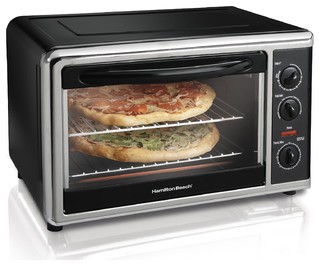
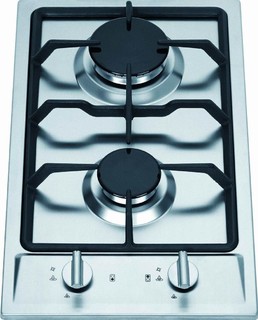
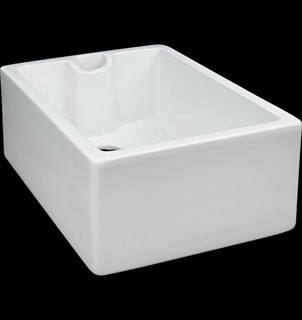 'via Blog this'
According to Khoo, these are the basics for a Paris kitchen:
- Pots and pans: skillet, sauté pan, sauce pan, roasting pan and stock pot.
- Utensils: a good set of knives, a large whisk, a small whisk and a strainer.
- Tools: corkscrew, herb scissors, mortar and pestle, pastry bag and pie weights.
- Miscellaneous containers: a large bread bowl, two smaller bowls, a colander, a soufflé dish and a tart pan or pie plate.
Thursday, 27 December 2012


Subscribe to:
Posts (Atom)